The Impact of Economic Cycles on Business Sales
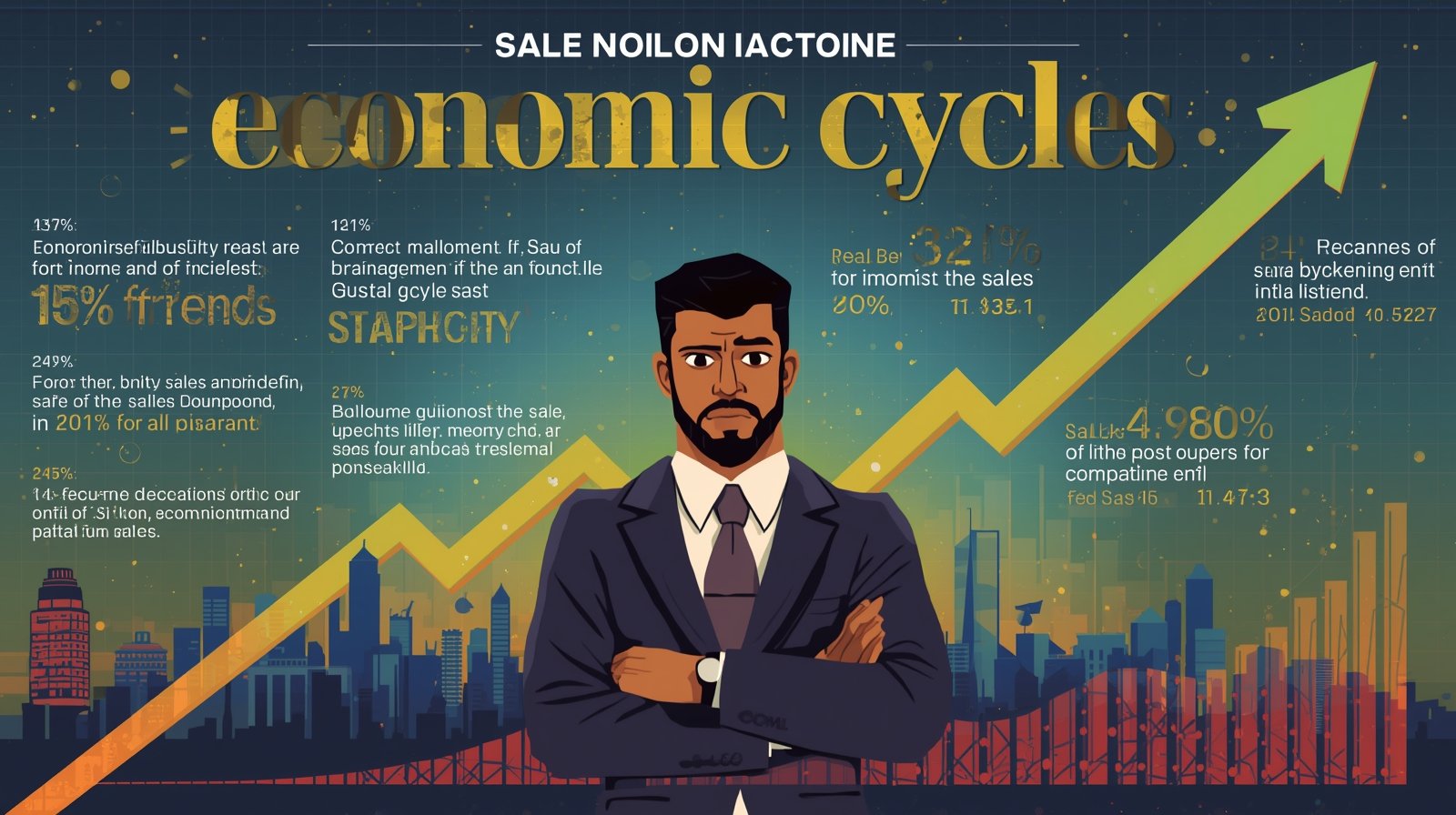
The economy’s cycles of booms and busts directly impact consumer spending, investor confidence, and business success. For business owners, understanding these cycles is crucial for survival and growth.
Understanding Economic Cycles
An economic cycle, also known as a business cycle, refers to the natural fluctuation of the economy between periods of expansion (growth) and contraction (recession). These cycles are a normal part of a market economy and are typically measured by changes in the real Gross Domestic Product (GDP). There are four main phases in an economic cycle:
- Expansion: This is a period of economic growth. During this phase, GDP increases, unemployment rates fall, and consumer confidence is high. Businesses often experience rising sales and profits.
- Peak: The peak marks the high point of the expansion phase. The economy is operating at or near its full capacity, but signs of overheating, like rising inflation, may start to appear.
- Contraction (Recession): Following the peak, the economy enters a period of decline. GDP growth slows down or becomes negative, unemployment rises, and consumer spending decreases. A recession is officially declared after two consecutive quarters of negative GDP growth.
- Trough: The trough is the lowest point of the cycle, marking the end of the contraction and the beginning of a new expansion.
Understanding which phase the economy is in can help you anticipate shifts in market demand and adjust your business strategy accordingly.
The Impact of an Expansionary Phase on Sales
During an expansionary phase, the economic environment is generally favorable for businesses. With higher employment rates and rising wages, consumers have more disposable income and are more willing to spend. This “wealth effect” often translates directly into increased sales.
Increased Consumer Spending
As confidence in the economy grows, people are more likely to make both essential and discretionary purchases. They might upgrade their car, renovate their home, or dine out more often. This surge in demand benefits a wide range of industries, from retail and hospitality to real estate and manufacturing. For businesses, this often means a steady stream of customers and robust revenue growth.
Easier Access to Capital
In an expansionary period, financial institutions are typically more willing to lend money. This makes it easier for businesses to secure loans for expansion, new projects, or inventory. With better access to capital, companies can invest in growth initiatives that further boost sales, such as opening new locations, launching marketing campaigns, or developing new products.
Higher Profit Margins
While costs for labor and materials may rise due to increased demand, businesses can often pass these on to consumers, who are less price-sensitive during good economic times. This allows companies to maintain or even increase their profit margins, contributing to a healthier bottom line.
Navigating the Challenges of a Recessionary Phase
A recessionary phase presents a completely different set of challenges. As the economy contracts, consumer behavior shifts dramatically, and businesses must adapt quickly to survive.
Reduced Consumer Spending
During a recession, job losses and economic uncertainty lead consumers to tighten their budgets. They cut back on non-essential spending, prioritize needs over wants, and look for ways to save money. This can lead to a significant drop in sales, particularly for businesses selling luxury goods, entertainment, and other discretionary items.
Price Sensitivity and Competition
As demand falls, the market often becomes more competitive. Customers become highly price-sensitive, comparing options and hunting for the best deals. This puts pressure on businesses to lower prices, which can squeeze profit margins. Companies that can offer clear value or a lower-cost alternative often fare better during these times.
Tighter Credit and Cash Flow Issues
In a recession, banks become more cautious with their lending, making it harder for businesses to access credit. This can create serious cash flow problems, especially for companies with declining sales. Without a financial cushion, many businesses struggle to cover their operating costs, pay suppliers, and manage inventory.
How Businesses Can Adapt to Economic Cycles
The key to long-term success is not just surviving economic downturns but also capitalizing on periods of growth. This requires strategic planning and flexibility.
Strategies for an Expansionary Phase
- Invest in Growth: Use the favorable economic conditions to invest in expansion, technology, and talent. This is the time to scale your operations and build a stronger foundation for the future.
- Build Cash Reserves: While it’s tempting to reinvest all your profits, it’s wise to build up a cash reserve. This financial cushion will be invaluable during the next downturn.
- Focus on Customer Loyalty: Don’t take rising sales for granted. Invest in customer relationships and build a loyal base that will stick with you even when times get tough.
Strategies for a Recessionary Phase
- Control Costs: Review your expenses and look for areas to cut back without compromising quality. This could mean renegotiating with suppliers, optimizing inventory, or reducing overhead.
- Focus on Core Offerings: Concentrate on your most profitable products or services. During a recession, it’s often better to do a few things well than to spread your resources too thin.
- Emphasize Value: Adjust your marketing message to highlight the value, durability, and cost-effectiveness of your offerings. Show customers how your product or service can help them save money or solve a pressing problem.
- Explore New Markets: A downturn can be an opportunity to explore new customer segments or geographic markets that may be less affected by the recession.
The Role of Business Brokers in Navigating Change
For owners considering their exit strategy, economic cycles add another layer of complexity. Timing the sale of a business can significantly impact its valuation. A business broker can provide expert guidance through these fluctuating conditions.
Brokers understand how market dynamics affect business value. During an expansion, they can help you position your company to attract premium offers. In a recession, they can help you highlight your business’s resilience and long-term potential to find the right buyers. For those considering selling a business in Salt Lake City, for example, a local broker with deep market knowledge can be an invaluable partner in navigating the specific economic landscape of the region.
Conclusion
Economic cycles are an inevitable part of business. You can’t control the economy, but you can control your business’s response. Understanding the phases of the economic cycle and using flexible strategies can help protect sales during downturns and maximize growth during expansions.