Small Operational Changes That Can Improve Business Efficiency

Efficiency usually gets talked about in big, almost dramatic terms. New systems. Big transformations. Entire departments being reshaped. That sort of thing. And yes, those changes matter. But in most real workplaces, that’s not where things actually start improving. More often, it’s smaller problematic points that get fixed first.
A file that used to take a few minutes to track down suddenly sits in a clearly named folder. A request that bounced between three people now goes straight to the one person who actually needs to approve it. A warehouse stops relying on memory and starts relying on labels that actually make sense.
None of this feels particularly “strategic” at first glance. But the effect shows up quietly in fewer delays, fewer interruptions, and less frustration in day-to-day work. And the thing is, small inefficiencies don’t stay small for long. They stack up without anyone really noticing until things start feeling slower than they should.
Looking at How Work Actually Happens
Most businesses don’t intentionally design inefficient processes. It just happens over time. Something temporary becomes permanent. A shortcut turns into the standard way of doing things. Someone builds a spreadsheet to solve a one-time issue, and three years later it’s still being used for something it was never meant for.
At some point, nobody really remembers why a process works the way it does; it just does. That’s usually where time gets lost. It might be a team jumping between different tools just to complete one task. Or someone re-entering the same data in multiple systems because nothing is connected properly. These things don’t feel major individually, but they quietly eat into the day.
In most cases, improving efficiency is less about pushing people to work faster and more about removing steps that probably shouldn’t be there anymore.
When Communication Starts Slowing Things Down
Communication problems rarely look like “communication problems” at first. They show up as delays, confusion, or tasks that get redone. One person is working from an old version of a file. Another didn’t see an update buried in a chat thread. A decision was made, but not everyone actually saw it. So work gets repeated. Or paused. Or corrected later.
This is where simple structure matters more than people expect. Not complicated systems, just clarity about where information lives and who is responsible for what. Once that’s in place, things tend to move with less resistance and more smoothly.
Consistency Tends to Do More Than Complexity
There’s often a temptation to assume better systems automatically mean better performance. In practice, it’s usually consistency that does the heavy lifting.
A simple process that everyone follows the same way will almost always outperform a more advanced process that different people interpret differently. This becomes more obvious as teams grow. New employees don’t need clever workflows; they need predictable ones. Something they can follow without constantly checking if they’re doing it “the right way”. It eventually reduces mistakes in a way that’s hard to ignore.
Physical Work Still Shapes Efficiency More Than Expected
A lot of efficiency conversations stay focused on software and digital tools. But for any business dealing with physical products, the physical side still matters just as much. Storage layouts. Packing decisions. How items are moved from one point to another. These things can quietly speed up or slow down everything else.
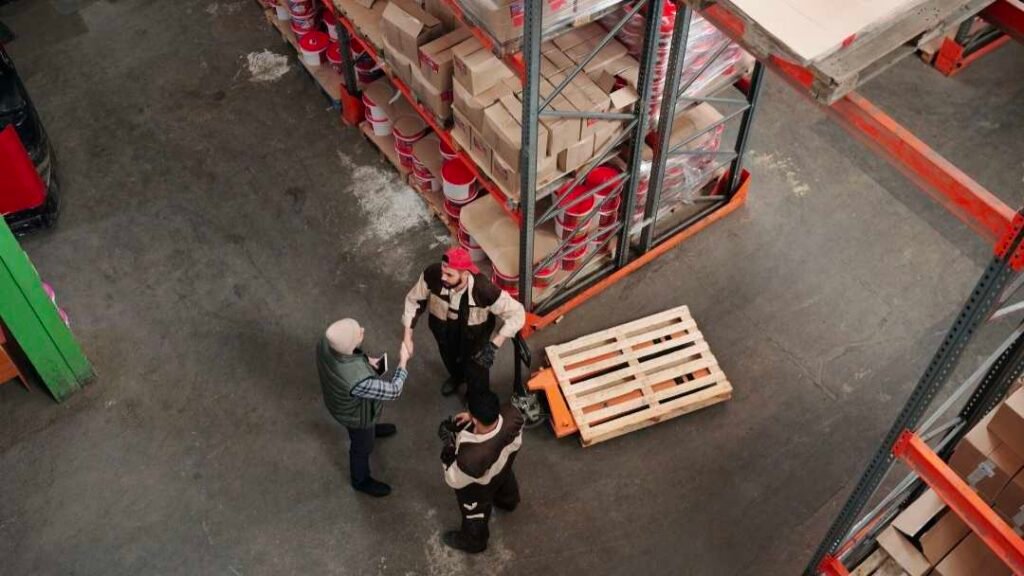
A warehouse doesn’t need to be chaotic for inefficiencies to exist. Sometimes it’s just slightly unclear labelling, or packaging that takes longer than it should, or stock that isn’t placed where it’s most frequently used. Over time, those “small” issues start affecting delivery times and workload pressure.
This is why many businesses revisit their logistics setup regularly. Even things like pallet systems get reviewed when teams are looking for practical ways to improve handling, storage, and shipping processes. Companies may use providers such as Inka Pallets alongside other operational changes designed to keep products moving efficiently from warehouse to customer.
Data Only Helps If It Actually Gets Used
Most businesses don’t lack data anymore. If anything, they have too much of it. The real issue is figuring out what actually matters.
A few repeated patterns usually tell more than any dashboard. Late shipments that keep appearing in the same stage. Customer questions that come up again and again. Inventory that never quite balances the way it should. Those patterns usually point directly to where time or resources are being lost. Everything else is just noise if it doesn’t lead to action.
Most Improvements Don’t Feel Like Improvements While They’re Happening
One of the more underrated things about operational efficiency is how unremarkable it usually feels while it’s being improved.
A step gets removed from a process. A report becomes easier to read. A task that used to require back-and-forth now just… doesn’t. And over time, the workplace feels less congested. Fewer delays. Fewer small frustrations that used to interrupt the day. That’s usually what real efficiency looks like. Not a big transformation, but a slow reduction of unnecessary effort until things simply run more cleanly than they did before.