A Simple Guide to Building a Safe Tai Chi Practice at Home
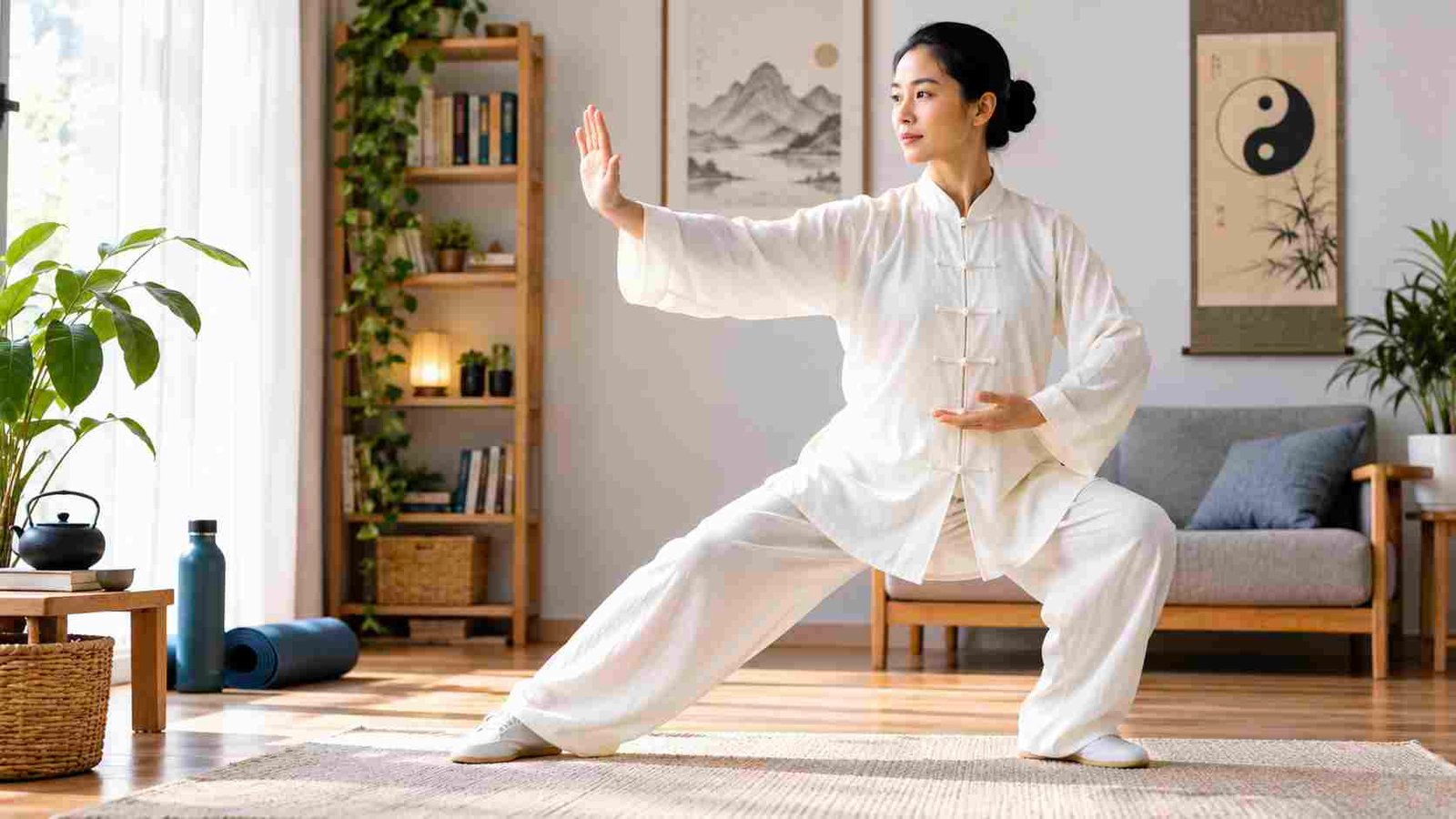
Post Preview
Key Takeaways
- You can begin a home Tai Chi practice with a small, clear space, comfortable clothing, and a calm pace.
- Short sessions done regularly are usually more sustainable than occasional long workouts.
- Relaxed breathing, upright posture, and controlled weight shifts matter more than learning many movements quickly.
- Videos can be useful for beginners when the instructions are clear and easy to pause or repeat.
- People with pain, recent injuries, dizziness, or significant balance concerns should seek individualized guidance before progressing.
Tai Chi is a traditional Chinese movement practice that combines slow, deliberate postures with controlled breathing and focused attention. Starting at home can make the practice feel more accessible, especially when travel, class schedules, or crowded rooms create barriers. Beginners who prefer guided instruction can explore online qigong classes for health and balance while building a routine that suits their space and comfort level.
A useful home practice does not need to be long or complicated. The goal is to move with awareness, stay within a comfortable range of motion, and repeat the basics often enough to become familiar with them. Tai Chi can complement walking, strength training, rehabilitation exercises, and other activities that fit an individual’s needs.
Why Home Practice Works for Many People
Practicing at home removes the need to commute and lets you choose the time of day when you feel most alert. A familiar room may also make it easier to slow down, pause a lesson, and repeat one movement several times without feeling rushed. This flexibility is valuable because beginners often learn best by working with a small number of movements rather than trying to memorize a full sequence immediately.
Tai Chi is often studied in relation to balance, physical function, and fall prevention, particularly among older adults. Results differ by person and by program, but the practice may be a helpful part of an overall movement plan. It should not be used to delay medical care for a health concern.
What You Need Before You Begin
Keep your setup simple. A comfortable environment is more important than specialized equipment.
- Clear enough floor space to stand with your arms extended and take one or two easy steps.
- Supportive footwear with good grip, or bare feet if the surface is clean, dry, and secure.
- Loose clothing that allows your hips, knees, shoulders, and elbows to move freely.
- A sturdy chair, counter, or wall nearby, in case you may need light balance support.
- Water and a screen positioned high enough that you do not need to strain your neck.
How to Choose the Right Session
Choose beginner-level material that emphasizes fundamentals rather than speed or complexity. Helpful lessons show movements from multiple angles, explain where your weight should be, and leave enough time to pause. Look for instructors who offer seated, standing, or supported options when appropriate.
Match the lesson to your immediate goal. Someone seeking a gentle mobility break may prefer simple breathing, arm circles, and weight shifts. Someone working on coordination may want gradual stepping patterns. Martial arts applications can be interesting, but they are not necessary for a safe and effective beginner practice at home.
Basic Safety Checks
Tai Chi is generally considered a low-impact activity, but gentle movement is not automatically suitable for everybody or every circumstance. The evidence on Tai Chi, safety, and potential benefits indicates that it appears to be safe for most people and encourages people to discuss complementary practices with their healthcare providers.
- Remove loose rugs, cords, pets’ toys, and other tripping hazards before you begin.
- Warm up gently by moving the ankles, knees, hips, shoulders, wrists, and neck within a comfortable range.
- Keep your knees soft rather than locked, and avoid forcing a deep bend.
- Make weight shifts small at first, especially if standing on one leg feels uncertain.
- Stop for sharp pain, chest pain, dizziness, faintness, or unusual shortness of breath.
- Ask a qualified healthcare professional about modifications after surgery, injury, or a new diagnosis.
A Simple Weekly Routine
Use this starter schedule as a flexible pattern, not a rule. If ten minutes feels like too much, begin with five. If you feel steady and comfortable after several weeks, add time slowly rather than increasing the size or speed of the movement.
- Monday, 10 minutes: Stand tall, breathe naturally, loosen the shoulders, and practice gentle side-to-side weight shifts.
- Wednesday, 10 to 15 minutes: Repeat the weight shifts, add slow arm movements, and practice turning your torso without twisting the knees.
- Friday, 15 minutes: Follow a short beginner lesson, pausing whenever an instruction feels unclear.
- Saturday or Sunday, 10 minutes: Review familiar movements at an easy pace and finish with relaxed breathing.
Common Beginner Mistakes
- Trying advanced forms before basic posture and weight transfer feels comfortable.
- Holding the breath during a turn, reach, or balance challenge.
- Bending the knees lower than is comfortable in an effort to make the stance look impressive.
- Rushing to stay synchronized with a video instead of pausing and practicing carefully.
- Working on a slippery surface or in a cluttered room.
- Switching between many teachers before learning a few dependable body mechanics.
- Assuming pain or heavy soreness proves the practice is effective.
A smaller movement performed with control is usually more productive than a larger movement performed with tension. Let the shoulders stay relaxed, keep the jaw unclenched, and aim for smooth transitions rather than dramatic poses.
How to Track Progress
Progress is not limited to flexibility or how many movements you can remember. Keep a brief practice note and look for practical changes over time:
- How many sessions have you completed each week?
- Whether breathing feels calmer during movement.
- How comfortable do you feel standing, turning, and shifting weight?
- Which movements remain confusing or uncomfortable?
- Whether a monthly video shows smoother posture and steadier pacing.
- Whether everyday tasks, such as rising from a chair or walking around the home, feel easier.
Regular physical activity can support daily functioning and independence as people age, which is one reason the National Institute on Aging encourages adults to incorporate movement into their routines through activities that help maintain strength, balance, and mobility.
When Extra Guidance May Help
Home practice is a strong starting point, but personal instruction can be especially valuable when balance is poor, falls have occurred recently, pain continues during or after sessions, or a movement remains confusing after repeated practice. A qualified Tai Chi instructor may help with posture and pacing. At the same time, a physical therapist or other healthcare professional can advise on modifications for injuries, surgery, joint limitations, or medical conditions that affect strength, coordination, breathing, or mobility.
Questions Readers May Ask
Can beginners learn Tai Chi at home?
Yes. Beginners can start with basic posture, breathing, and weight shifts at home. Feedback from a knowledgeable instructor can still help notice alignment habits that are difficult to see on one’s own.
How often should someone practice?
Two to four short sessions per week are a practical starting point for many people. Choose a schedule that you can repeat comfortably and adjust it if fatigue or pain develops.
Is Tai Chi good for balance?
Tai Chi may support balance and fall prevention in some groups, especially older adults, but individual results vary. It works best as one part of a broader approach that considers health, environment, strength, vision, and appropriate professional care.
What should someone do if a movement hurts?
Stop the movement rather than pushing through it. Reduce the range of motion only if it becomes uncomfortable, and seek professional advice for persistent, sharp, worsening, or unexplained pain.
Conclusion
A steady Tai Chi practice at home starts with simple conditions: a safe space, manageable sessions, patient repetition, and respect for your body’s signals. Focus on balance, breathing, posture, and smooth weight shifts before adding more complex forms. With consistency and sensible adjustments, a calm home routine can become a meaningful part of everyday movement.