Building a Daily Reading Habit for Reflection and Mindfulness
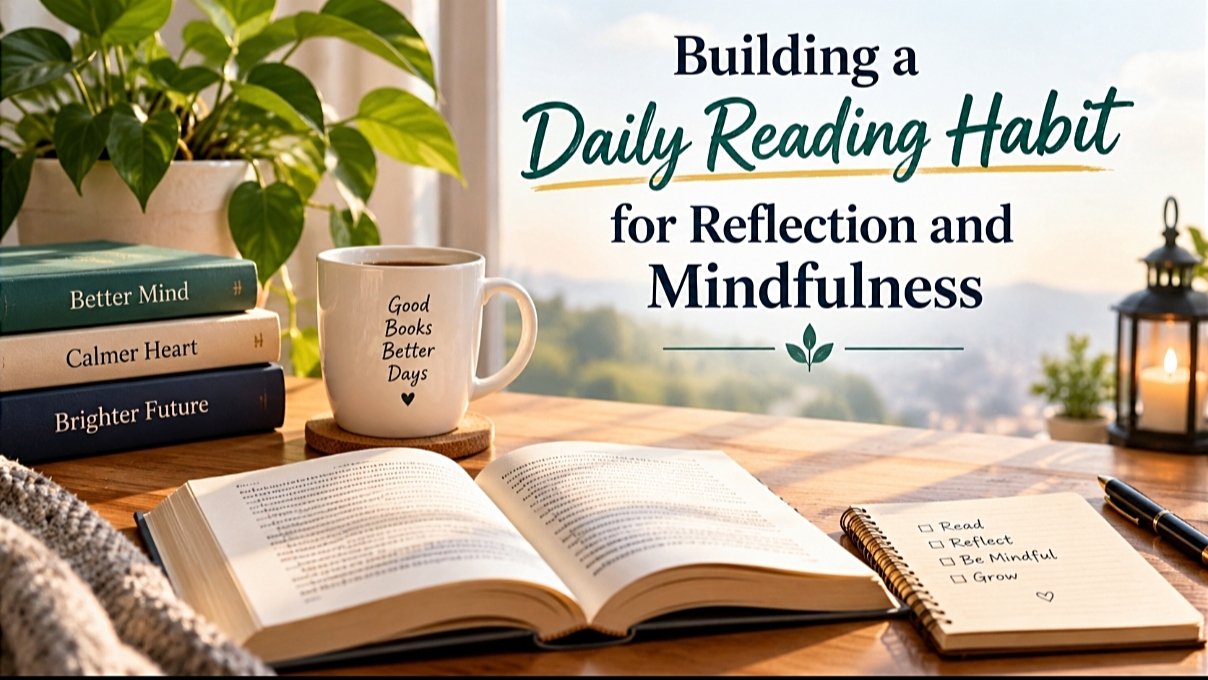
Most of us read every day without really noticing. We scroll through news headlines, skim emails, glance at social media posts and read messages in quick bursts between tasks. It’s constant, fragmented and often leaves us feeling more distracted than informed. What’s often missing is a different kind of reading, the slow, intentional kind that invites reflection and helps us feel grounded.
A daily reading habit can offer a quiet space in busy lives. It can help calm the mind, encourage self-reflection and provide perspective on life’s challenges. For many people, that reading takes a spiritual or contemplative form. Exploring books on prayer and devotion, meditation or reflective writing can be a meaningful way to begin or end each day with intention.
The benefits of reflective reading
Reflective reading is less about how many pages you get through and more about the quality of attention you bring. Reading slowly and thoughtfully allows ideas to settle and connect with your own experiences.
Many people find that a daily reading practice helps reduce stress and improve focus. Setting aside time to read without distractions encourages the mind to slow down, offering a break from the constant stimulation of modern life.
Reflective reading can also foster self-awareness. Thoughtful passages may prompt questions about values, relationships, purpose and gratitude. Over time, these reflections can shape how we respond to everyday situations.
For people of faith, devotional reading can strengthen spiritual life, offering encouragement, guidance and a sense of connection.
Choosing the right material
The best reading material for reflection is something that resonates with you. Some people prefer spiritual texts, prayers or devotionals. Others enjoy poetry, philosophy, nature writing, memoirs or books on mindfulness and wellbeing.
Short readings can be especially helpful when building a new habit. Daily reflection books, collections of prayers or poems and books divided into brief chapters make it easier to read consistently without feeling overwhelmed.
Don’t be afraid to experiment. Try different authors, styles and traditions until you find what speaks to you. A book that feels inspiring at one stage of life may be less meaningful at another, and that’s okay.
Creating a routine that sticks
Consistency matters more than duration. Even five or ten minutes a day can make a difference.
Choose a regular time that suits your schedule. Many people enjoy reading first thing in the morning, setting a calm tone before the day begins. Others prefer reading at night as a way to unwind and reflect on the day.
Create a comfortable reading space. It might be a favourite armchair, a quiet corner of the garden or a spot by the window with good natural light. Keep your book, a pen and perhaps a journal nearby.
Linking reading to an existing habit can help it stick. You might read while drinking your morning coffee, after breakfast or before bed.
Reading mindfully, and keeping a reflection journal
Mindful reading involves giving full attention to the words in front of you. Turn off notifications, put your phone in another room and allow yourself to focus.
Read slowly. Pause when a sentence stands out, and consider what it means to you. Some people like to reread passages several times, noticing new insights each time.
There’s no need to rush to finish a book. Reflective reading is about depth rather than speed.
Writing down thoughts after reading can deepen the experience. A reflection journal provides space to record meaningful quotes, questions, prayers or personal insights. Simple prompts can help: What stood out to me today? How does this relate to my life right now? What am I grateful for? What do I want to carry with me through the day? Looking back over journal entries can reveal patterns, growth and lessons learnt over time.
Making space in a busy life
Many people say they don’t have time to read. But often, small pockets of time are available if we look for them. Reading during a commute, a lunch break or a quiet moment before bed can add up.
Be gentle with yourself if you miss a day. Building a habit takes time, and occasional interruptions are normal. Simply return to your practice when you can.
Some people find it helpful to read with others. Book clubs, faith groups or reading partners can provide encouragement, discussion and accountability.
A daily reading habit can become a source of calm, reflection and inspiration. Whether you’re exploring spiritual texts, poetry or books on mindfulness, setting aside time each day to read intentionally can help you slow down, reconnect with what matters and approach life with greater clarity and peace.